
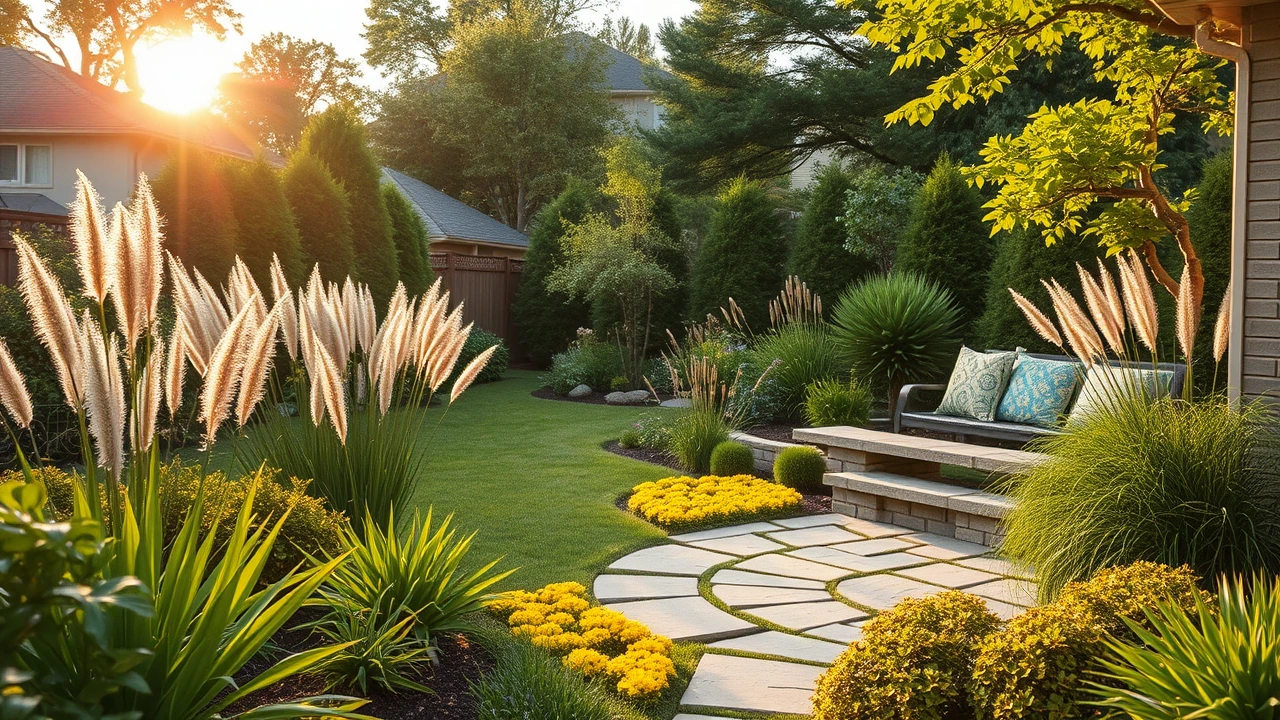
A Japanese garden is one of the most beautiful and calming spaces you can create on a property. It is landscaping as art, where every stone, plant and line of raked gravel is placed with intention. We design and build custom Japanese gardens and zen gardens for homeowners across Toronto, Mississauga, Oakville, Hamilton and the Greater Toronto Area, adapting timeless principles to thrive in Ontario's climate.
The principles behind a Japanese garden
What makes a Japanese garden feel so different from a typical Western one is its philosophy. Rather than rows of colour and symmetry, a Japanese garden seeks balance, naturalness and a sense of calm. It is built on a few core ideas: asymmetry and natural arrangement, the careful use of empty space, the borrowing of distant views, miniaturised landscapes that suggest mountains and rivers, and a deep respect for stone, water and plants as the bones of the design. Get these principles right and even a small Ontario backyard can feel like a serene retreat.
Elements we design and build
A Japanese garden is composed from a recognisable palette of elements, combined to suit your space. We design and build:
- Stone arrangements, the structural heart of the garden, placed in natural, balanced groupings
- Raked gravel and sand that represents water and rewards quiet contemplation
- Water features, from a simple basin to a koi pond, stream or bamboo spout
- Stone lanterns, basins and pagodas as focal points and accents
- Bridges and stepping-stone paths that guide you through the space
- Carefully chosen planting, from moss and ferns to maples, pines and grasses
Styles of Japanese garden
Japanese garden design is not a single look, it spans several traditional styles, and we help you choose the one that suits your property and how you want to use it.
| Style | Character | Best for |
|---|---|---|
| Zen / karesansui (dry garden) | Raked gravel, stone, minimal planting | Contemplative, low-water, smaller spaces |
| Strolling garden | Paths, water, planting to walk through | Larger backyards and properties |
| Tea garden | Naturalistic path to a quiet destination | Private, meditative corners |
| Courtyard garden | A composed view in a compact space | Small lots, side yards, entrances |
A zen garden in a Toronto courtyard, a strolling garden in a larger Mississauga backyard, a tea-garden corner in Oakville, each is designed to its setting.
Japanese gardens that thrive in Ontario
The challenge with a Japanese garden in our climate is that many of the classic plants come from milder regions. The art is in choosing hardy, locally suited plants that capture the same feeling. Japanese maples do beautifully here with the right placement and protection. We use hardy pines and dwarf conifers for structure, ornamental grasses for movement, ferns and hostas for the lush understory, and moss or moss-like groundcovers where conditions allow. The result reads as authentically Japanese while standing up to Ontario winters and summers.
Designing your Japanese garden
Every Japanese garden we build is bespoke. We start by understanding the space, the views, the light and how you want to use and see the garden, then design an arrangement of stone, water, gravel and planting that feels balanced and intentional. Because the placement of each element matters so much in this style, the design stage is where the magic happens. We then build it with the same care, sourcing good stone and plants and composing them on site with an eye trained for this work.
What a Japanese garden costs
Cost depends on size, the elements you include (a dry zen garden is very different from one with a koi pond and bridges), the stone and plants selected, and site preparation. A compact courtyard zen garden is an accessible project; a full strolling garden with water is a larger investment. As always, we visit, understand what you want and give you a clear written quote with no surprises.
Caring for a Japanese garden
A well-designed Japanese garden is calming to maintain as well as to look at. Dry zen gardens need raking and occasional weeding but very little water. Planted gardens need seasonal pruning, especially of maples and pines to keep their sculpted shapes, plus the usual tidying. We design with maintenance in mind and can advise on the simple seasonal rhythm that keeps the garden looking its best, or discuss ongoing care.
Serving Toronto, Mississauga, Oakville and the GTA
We design and build Japanese and zen gardens for homeowners across Toronto, Mississauga, Oakville, Hamilton, Burlington and the surrounding Greater Toronto Area. It is some of the most rewarding work we do, and we would love to create one for you.
The role of stone
If a Japanese garden has a heart, it is stone. In this tradition, stones are not decoration scattered after the fact, they are placed first and treated almost as living things, each with a face, a best side and a natural way of sitting in the ground. A single carefully chosen boulder, set so it looks as though it has always been there, can anchor an entire composition. Groupings are arranged in odd numbers and asymmetric balance, never in tidy rows. This is the part of the work that most rewards an experienced eye, and it is where a thoughtfully designed Japanese garden separates itself from a generic rock garden. We take real care in sourcing and placing stone so the bones of your garden feel natural and timeless.
Water, real or suggested
Water is central to Japanese garden design, but it does not always mean an actual pond. In a dry zen garden, raked gravel or sand represents water, with the rake lines suggesting ripples and currents around stone "islands." It is contemplative and calming and needs no plumbing at all. Where you want real water, we can build a basin, a bamboo spout (the gentle tsukubai), a stream or a koi pond, each designed to look natural and to handle Ontario winters. Whether suggested in gravel or flowing for real, water brings the sense of stillness and movement that defines the style.
Plants and the changing seasons
Planting in a Japanese garden is restrained and deliberate, chosen for form, texture and seasonal change rather than mass colour. A Japanese maple is prized as much for its branching structure in winter as for its fiery autumn leaves. Pines are pruned over years into sculptural shapes. Moss, ferns and grasses create a quiet green understory, and a single flowering tree can mark spring. This restraint is what gives the garden its calm, and it also means a Japanese garden can look beautiful in every season, including under Ontario snow, when the structure of stone and pruned trees comes to the fore.
A retreat from a busy life
More than any other style, a Japanese garden is designed to be experienced, not just viewed. It slows you down. A stepping-stone path makes you watch your feet and notice the garden. A bench or a basin gives you a reason to pause. The raked gravel rewards quiet attention. For homeowners who want their yard to be a genuine retreat, somewhere to decompress at the end of the day, this tradition has no equal, and it is why we find this work so rewarding to design and build.
Where a Japanese garden fits on your property
One of the joys of this style is how flexible it is. A full backyard can become a strolling garden you move through. A small side yard, often a forgotten strip of lawn, can become a tranquil green corridor. An entrance courtyard can greet you with a maple, a lantern and a patch of raked gravel. Even a view from a single window can be framed as a composed scene. We often suggest starting where you spend time or where you look out most, so the garden gives back every day. You do not have to commit your whole property, a beautifully designed Japanese corner can have more impact than a sprawling, unfocused yard.
Our Japanese garden process
Because placement is everything in this style, we put extra care into the design stage. We begin with a free consultation to understand the space, the views and the feeling you want. We then plan the composition, the stone groupings, the role of water or gravel, the paths and the planting, and walk it through with you. On site, we source good material and compose it with a trained eye, adjusting as we go because a garden like this is partly built by feel. The result is a garden that looks settled and intentional, as though it has been there for years.
Why choose us for your Japanese garden
A Japanese garden rewards an experienced hand more than almost any other landscape style, because so much rests on judgement: which stone, which way, how much space to leave, where the eye should rest. It is one of our specialties and some of our favourite work, and we bring genuine care and a trained eye to every composition. We adapt the tradition thoughtfully to Ontario's climate so the garden thrives here, we build it properly so it endures, and we back our work with a workmanship guarantee. If you are drawn to the calm and beauty of a Japanese garden, we would consider it a privilege to design and build yours.
Frequently asked questions
What are the key principles of Japanese garden design?
Balance and asymmetry, naturalness, the use of empty space, borrowed views, miniaturised landscapes and a focus on stone, water and plants. The goal is calm and harmony rather than symmetry and bold colour.
What plants work for a Japanese garden in Ontario?
Hardy choices that capture the right feeling: Japanese maples, dwarf conifers and pines, ornamental grasses, ferns, hostas and moss or moss-like groundcovers, all suited to our climate.
Do I need a big yard for a Japanese garden?
No. Some of the most striking Japanese gardens are small, a courtyard, a side yard or an entrance with a stone basin, a maple and raked gravel can be transformative.
What is a zen garden?
A zen or karesansui garden is a dry garden of raked gravel or sand and carefully placed stone, with minimal planting. It is contemplative, low-water and ideal for smaller spaces.
How much does a Japanese garden cost?
It depends on size and the elements included, from an accessible courtyard zen garden to a larger strolling garden with water. We provide a free written quote after seeing your space.
Can you include a koi pond or water feature?
Yes. We can incorporate koi ponds, basins, streams and bamboo water spouts, designed and built to suit the garden and to handle Ontario winters.
Is a Japanese garden hard to maintain?
Dry zen gardens are very low maintenance. Planted gardens need seasonal pruning to keep their shapes, plus light tidying. We design with upkeep in mind and can advise.
Which areas do you build Japanese gardens in?
Toronto, Mississauga, Oakville, Hamilton, Burlington and the surrounding Greater Toronto Area.
Can you convert part of my existing yard into a Japanese garden?
Yes. We often transform a single area, a side yard, an entrance courtyard or a quiet corner, into a Japanese garden, rather than redoing the whole property. A focused space can have more impact than a large, unfocused one.
How long does a Japanese garden take to build?
It depends on size and the elements involved. A compact courtyard zen garden can be built quickly, while a strolling garden with water takes longer. We give you a realistic schedule with your written quote.
Do Japanese gardens look good in winter?
Yes, beautifully. The structure of stone, pruned trees and raked gravel comes to the fore under snow, which is one of the reasons the style suits Ontario so well.
Related services
The standards we work to
Japanese-style garden design draws on established principles of asymmetry, scale and seasonal interest. Plant selection prioritizes hardy varieties suited to Ontario zone 5/6. Hardscape elements (stone lanterns, stepping stones, gravel paths) follow traditional placement practices adapted for our climate. Landscape Ontario standards apply.